Timeline & Process
Officiant vs Judge in PA: What You Need
By The Hoppenville Team · 5-minute read · Last updated July 12, 2026
Every couple marrying at the Museum eventually asks the same question: does the person marrying you need to be clergy, or can a judge do it? Pennsylvania gives you a few legal paths, and knowing which one fits your ceremony keeps your license paperwork simple.
Who Can Legally Officiate in Pennsylvania
Pennsylvania recognizes several kinds of officiants, generally including clergy, certain judges and magistrates, and a few other officials, and it's one of the few states that also offers a self-uniting marriage license. With this option, you and your witnesses sign the license directly rather than having an officiant sign it, which is why it's popular with couples who want a Quaker-style or fully personal ceremony. Eligibility, required documentation, and exactly who qualifies can vary, so confirm the current rules with the county issuing your license before you build your ceremony around a particular option.
Officiant vs. Judge: The Practical Difference
| Clergy / Ordained Officiant | Judge or Magistrate | Self-Uniting License | |
|---|---|---|---|
| Who leads the ceremony | Your chosen officiant | The judge or magistrate | You, with your witnesses |
| Ceremony style | Religious or fully custom | Typically brief and civil | Entirely your own words |
| Availability | Book well in advance | Varies by court schedule; confirm with the county | No officiant to schedule |
| Signs the license | Yes | Yes | You both sign, attested by two witnesses |
What You Need Before the Ceremony
Apply for your marriage license through the Orphans' Court or Register of Wills. Where you're eligible to apply and what you'll need can vary by county, so confirm the details with the office issuing your license before you set a date. Because the Museum sits in Montgomery County, many couples marrying here apply there, though Pennsylvania allows you to apply elsewhere in the state as well. There's a waiting period between applying and the license being issued, and the license is only valid for a set window afterward, so confirm both dates with the county before you set your ceremony time. If your officiant was ordained online, ask the county whether they'll want proof of ordination on file; some do.
Returning the Signed License
After the ceremony, someone is responsible for getting the signed license back to the county. Confirm ahead of time whether that falls to your officiant or to you and your witnesses, since it depends on how you chose to marry. Ask your officiant directly whether they'll handle the return or whether it falls to you, and build a few quiet minutes into your day for the actual signing so it doesn't get lost in the reception.
How This Fits Your Day at the Museum
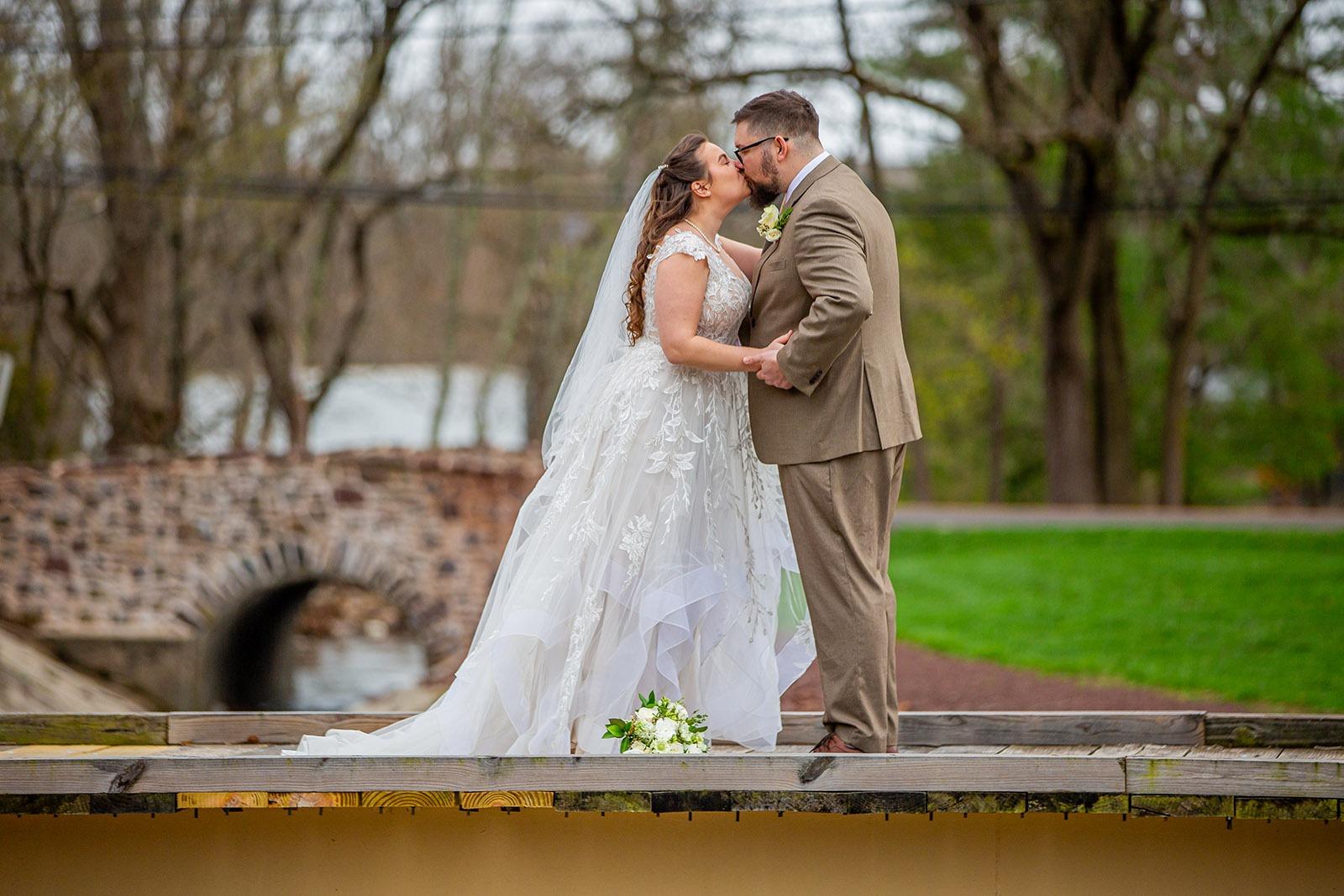
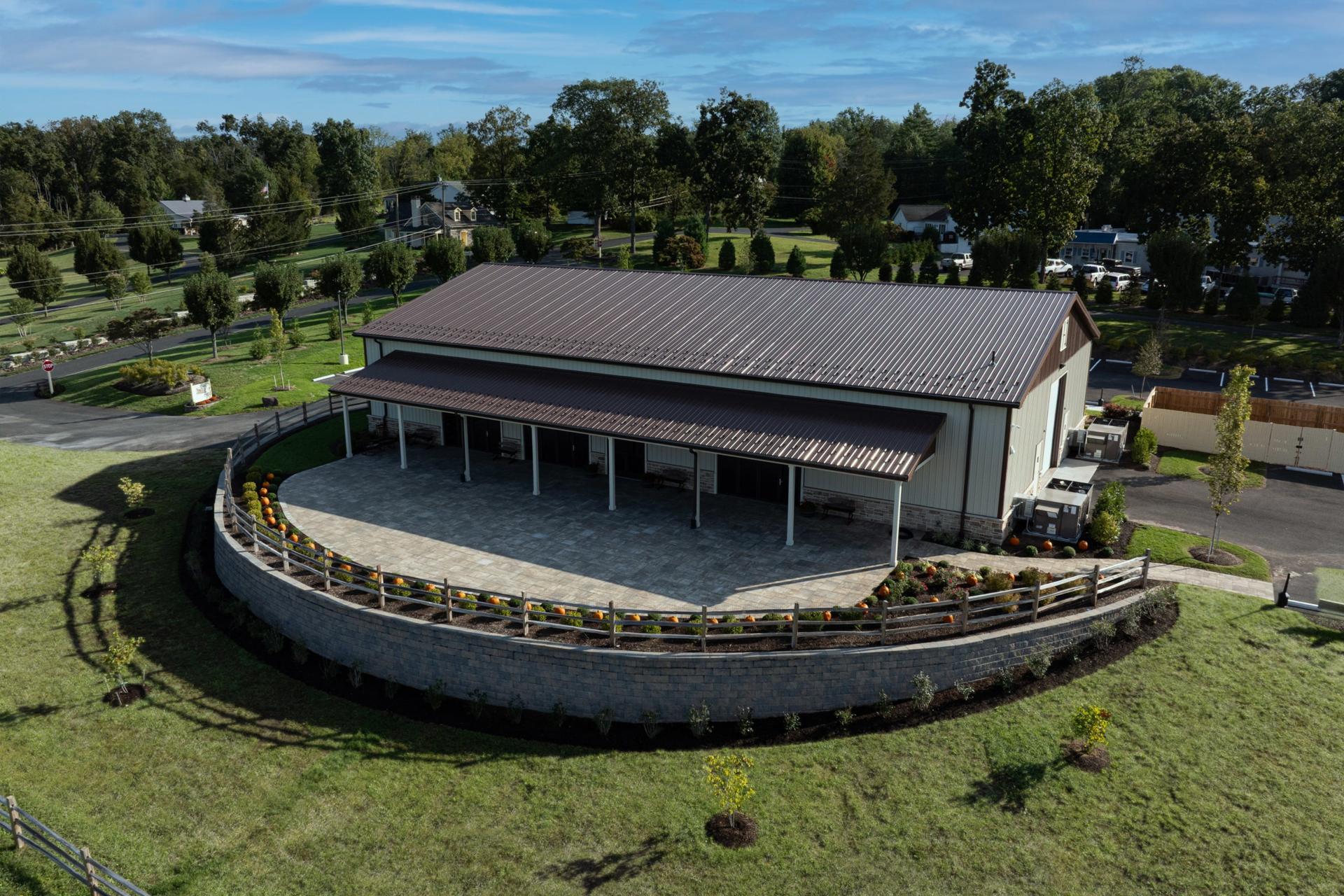
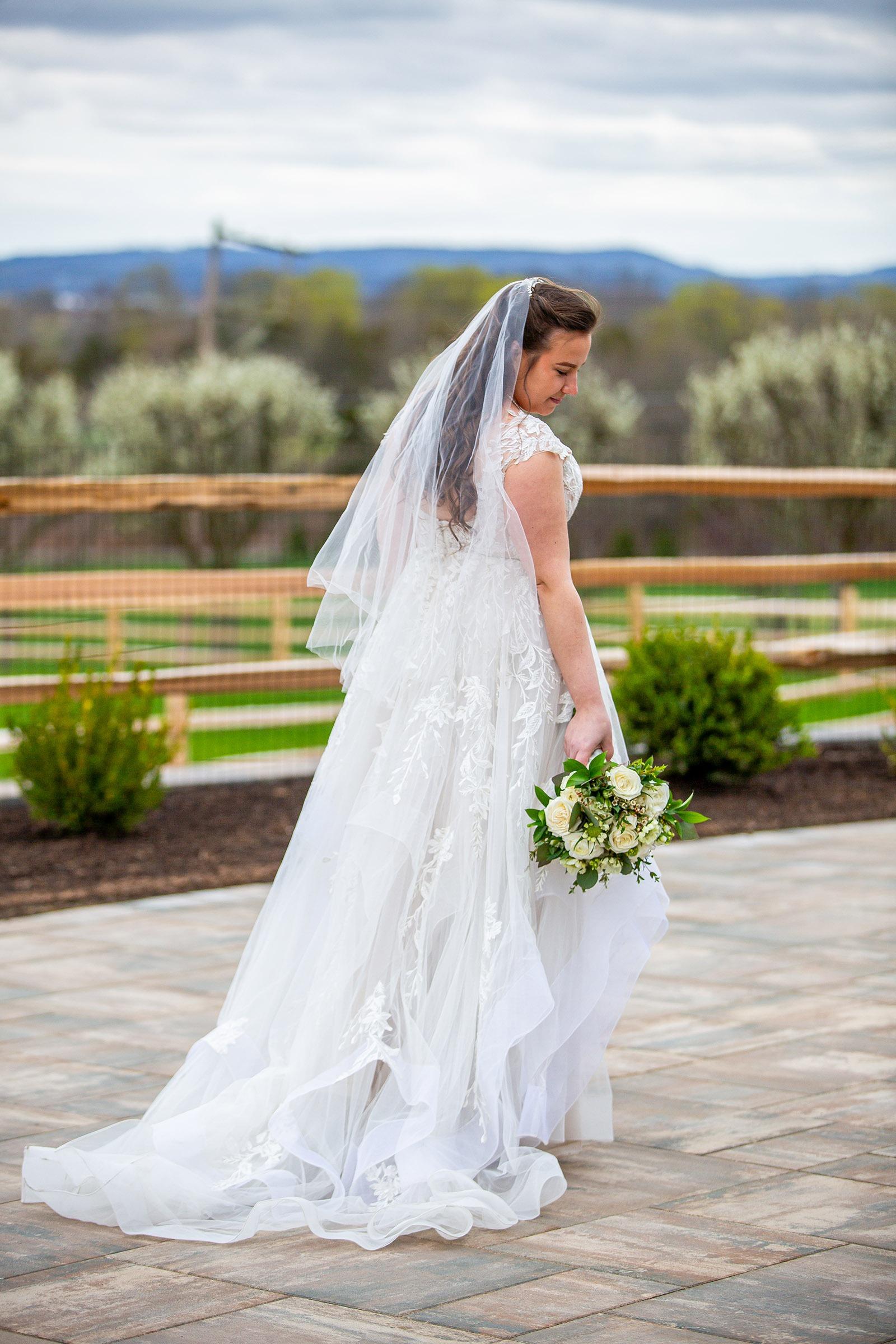
Ceremonies here typically happen on the Welcome Center's patio and gardens or on the lawn beside the Bank Barn, and every booking includes an indoor rain plan at no extra cost, so your officiant and signing moment move inside without disrupting the timeline. The Museum doesn't provide the officiant, but your planner or the estate can help you find a quiet spot for the license signing before or after the ceremony. If you're still deciding which path fits your ceremony, a tour (by appointment, Tuesday through Saturday) is a good time to walk both ceremony spaces and talk through timing.

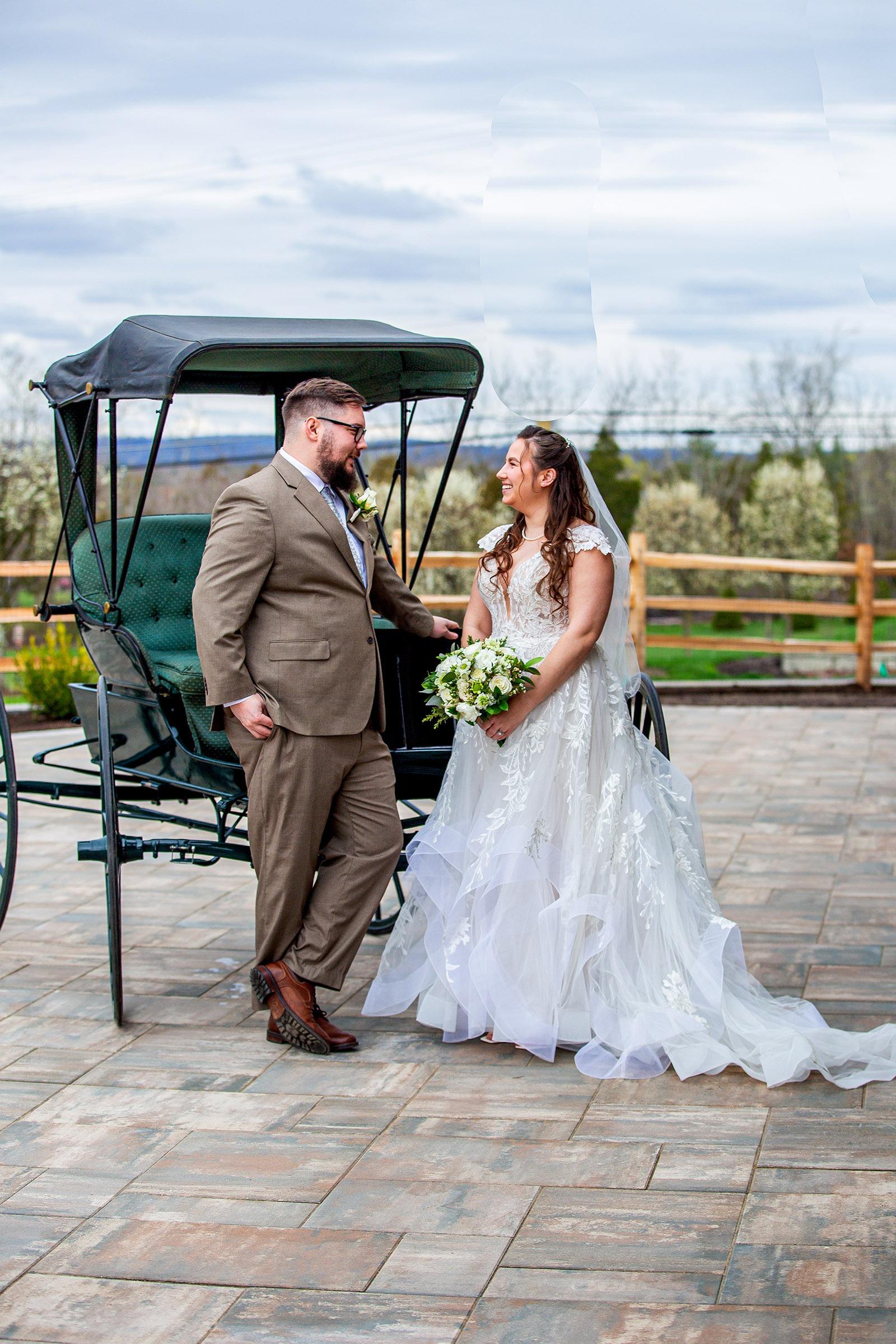
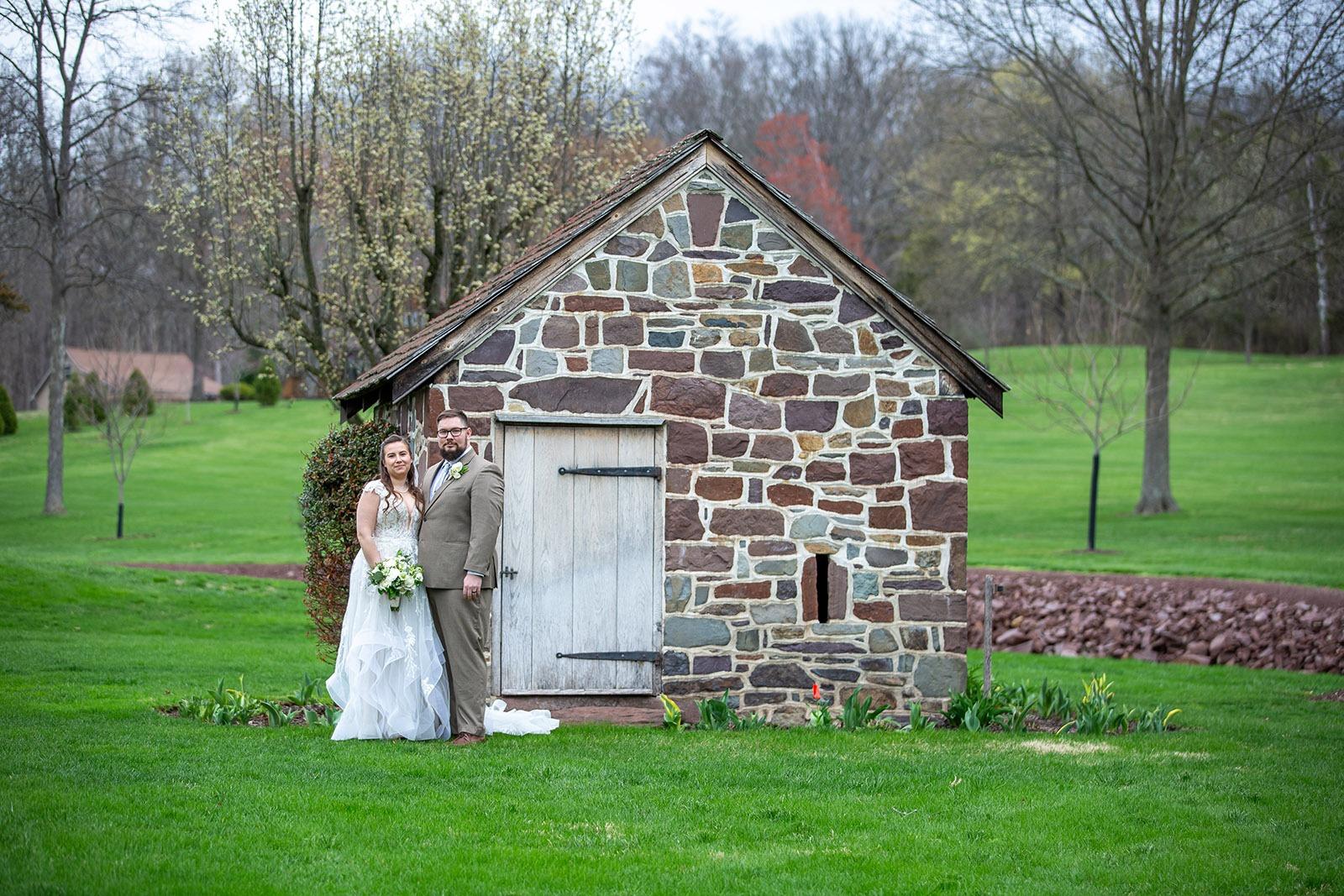
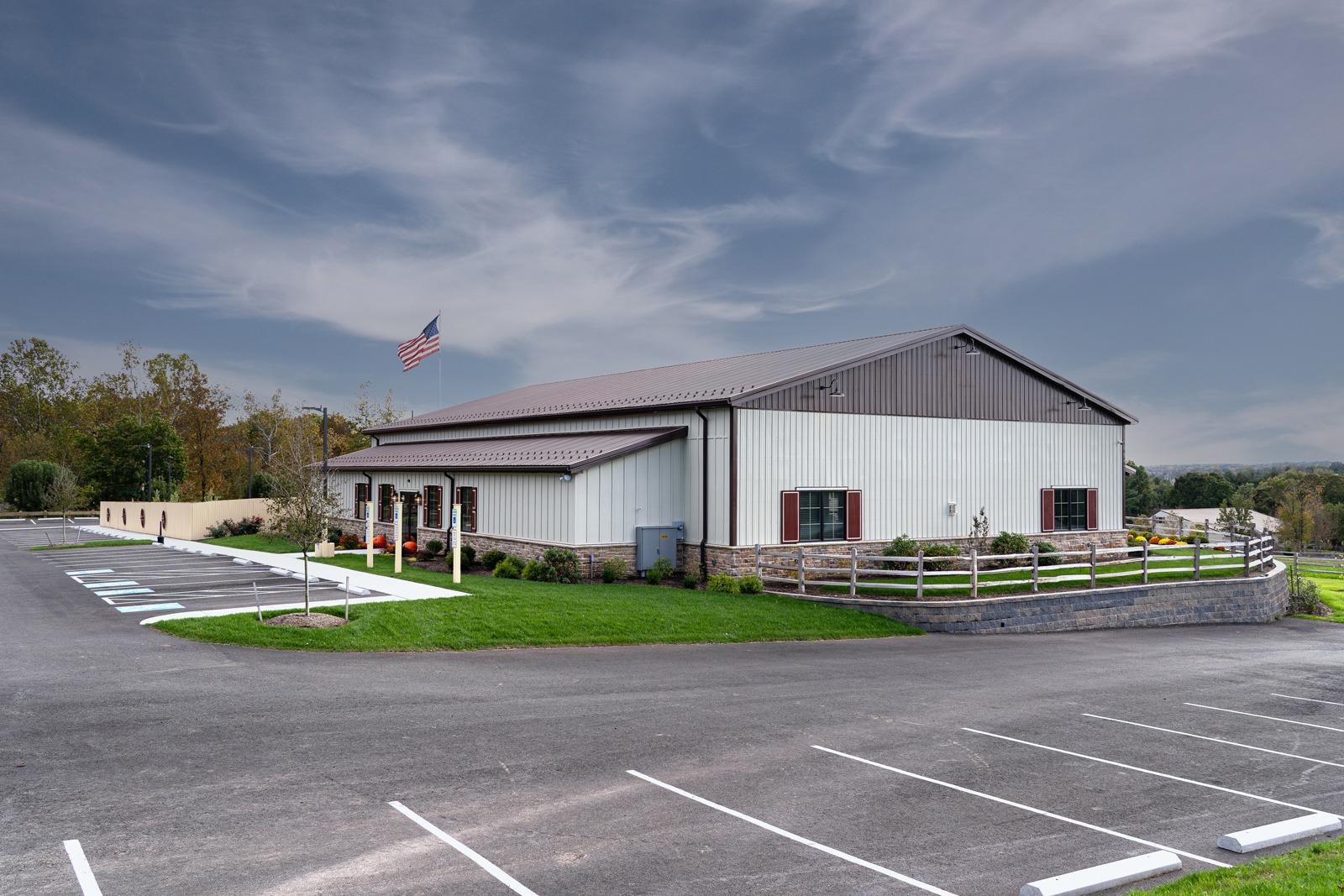
See where your day could happen.
Come walk the 24-acre estate in Pennsburg. Private tours run Tuesday through Saturday by appointment.
Related
Keep reading.
Timeline & Process
12-Month Wedding Planning Timeline
Month-by-month checklist from engagement to honeymoon.
Read the guideTimeline & Process
21 Questions to Ask Every Wedding Venue
The right questions for the tour: what to bring, what to confirm, what to negotiate.
Read the guideTimeline & Process
Pennsylvania Marriage License Guide
How to apply, where, what it costs, and how long it takes.
Read the guide